Are you currently applying for a Green Card or planning to file for an Adjustment of Status? A major regulatory shift at U.S. Citizenship and Immigration Services (USCIS) could directly impact your case.
On July 16, 2026, the Department of Homeland Security (DHS) announced a final rule rescinding the Biden-era 2022 public charge regulation.
This update restores stricter, case-by-case scrutiny regarding self-reliance for foreign nationals seeking to live in the United States. Here is a breakdown of what is changing, why it matters, and how to protect your immigration application from rejection.
What is the Public Charge Rule and What Just Changed?
Under the Immigration and Nationality Act (INA), an individual applying for a visa, admission, or adjustment of status can be deemed “inadmissible” if immigration officers believe they are likely to become a “public charge”—meaning dependent on government, taxpayer-funded benefits.
The End of the 2022 Regulation
The Biden-era rule established in 2022 restricted which public benefits DHS officers could consider when evaluating an applicant’s financial independence.
The new final rule officially rescinds those restrictions. Moving forward, USCIS officers are empowered to conduct a comprehensive, case-by-case assessment of all relevant financial factors to ensure applicants are self-reliant.
“The Trump administration is upholding the rule of law and protecting American taxpayers from subsidizing aliens who may become dependent on public benefits,” said USCIS spokesperson Zach Kahler.
Key Date: September 18, 2026
The new public charge rule officially takes effect on September 18, 2026. All applications processed on or after this date will be evaluated under the updated, stricter guidelines.
Urgent Action Required: New Form I-485 Coming
This policy shift brings a critical administrative change that all Green Card applicants must prepare for immediately:
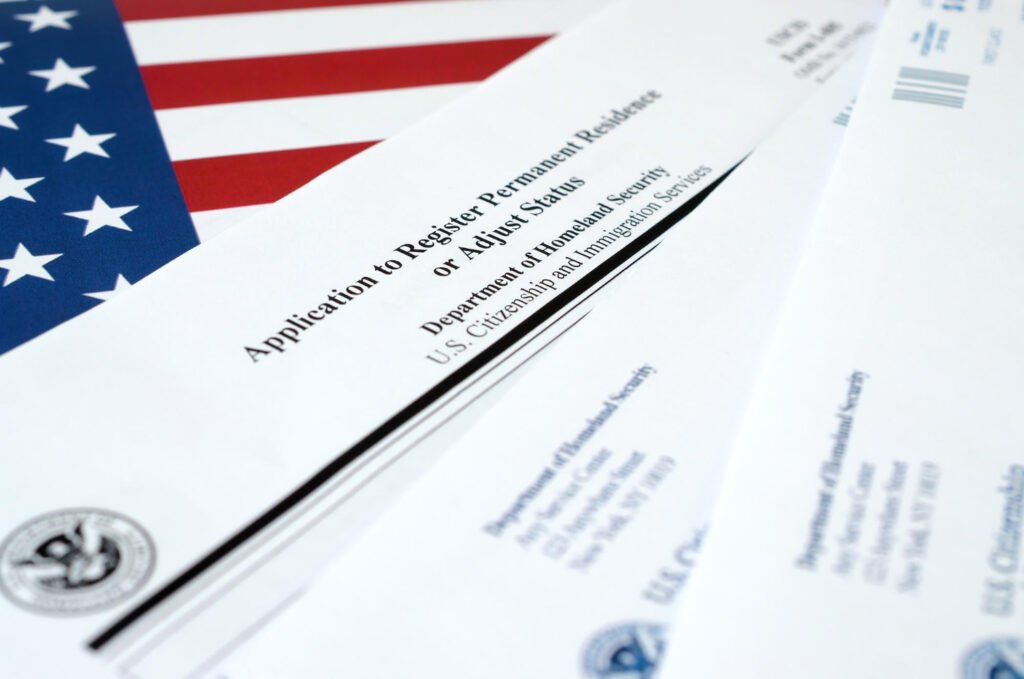
- Form I-485 Revision: USCIS will publish a newly revised Form I-485 (Application to Register Permanent Residence or Adjust Status).
- Strict Rejection Policy: Older versions of Form I-485 postmarked or submitted electronically on or after September 18, 2026, will not be accepted.
Pro-Tip: If you are in the process of preparing your adjustment of status packet, aim to file well before the September deadline. If you cannot file before then, you must wait and use the newly revised Form I-485 to avoid an automatic rejection and costly delays.
How to Prepare for the New Public Charge Standard
To navigate this transition smoothly, take the following proactive steps:
- Review Your Financial Profile: Gather robust evidence of your financial self-sufficiency, including assets, employment history, and tax returns.
- Double-Check Joint Sponsors: If your primary petitioner does not meet the income requirements, ensure your joint sponsor’s Form I-864 (Affidavit of Support) is incredibly strong.
- Monitor the USCIS Form Page: Check uscis.gov regularly to download the revised Form I-485 as soon as it is released.