
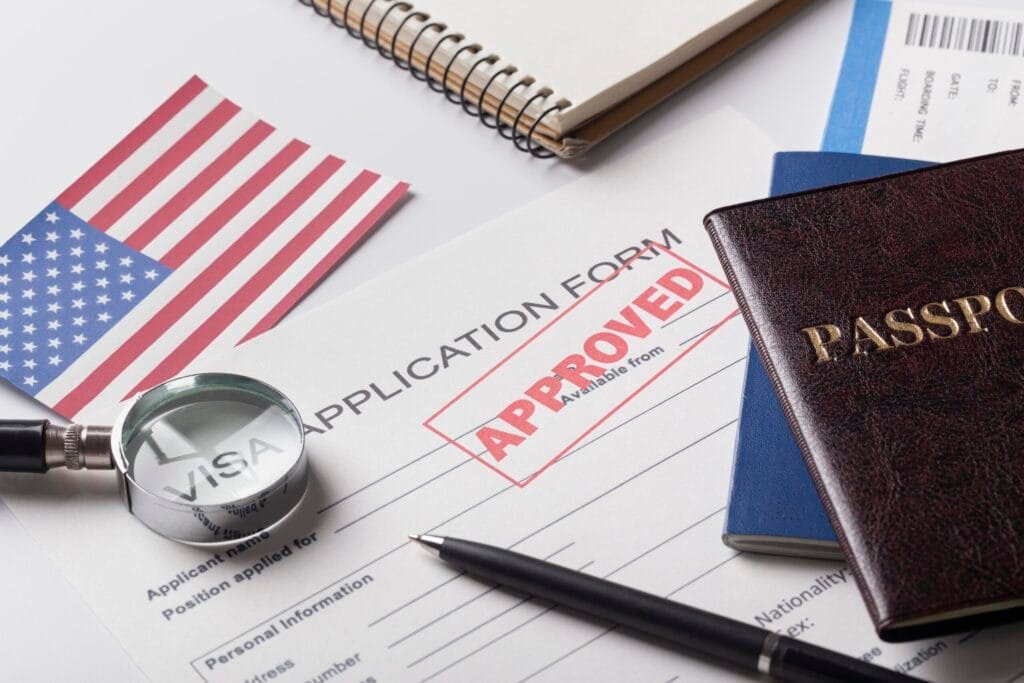
If you aspire to become an American citizen in 2025, it’s crucial that you know the essential requirements you must meet to facilitate this process. In this article, we’ll provide you with a complete guide about the necessary documentation, timelines to consider, and eligibility tests you must present. Don’t risk making mistakes that could delay your application; being well-informed is your best ally to achieve your goal of successfully obtaining citizenship.
Key Takeaways
Applicants must have legal permanent residence for at least five years, or three years if married to a U.S. citizen.
It’s essential to demonstrate skills in the English language and knowledge about U.S. history and government to complete the naturalization process.
A history of good moral character is required, with no criminal background that affects citizenship eligibility.
General Requirements
To obtain U.S. citizenship, it’s fundamental to meet several general requirements. Among these, the need to be a legal permanent resident stands out, having resided in the U.S. for a determined period of time, and demonstrating good moral character. Additionally, you must have basic knowledge of English and the U.S. government, as well as be willing to take an oath of allegiance. Meeting these criteria will allow you to advance in the process toward citizenship.
Legal Permanent Residence
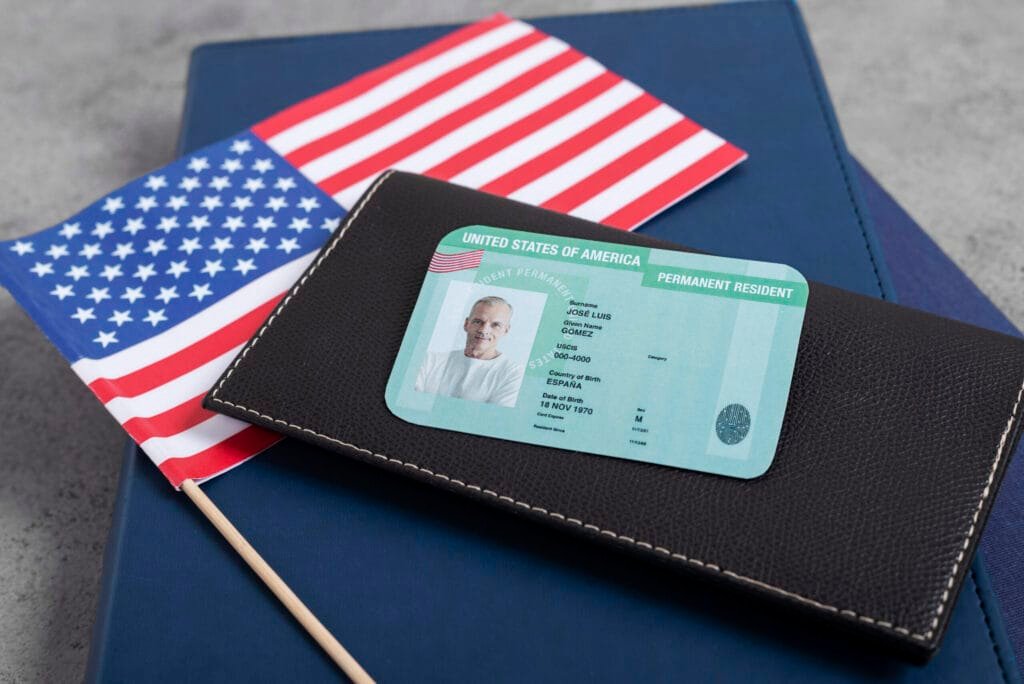
An essential requirement for citizenship is being a legal permanent resident. To apply for citizenship you must be at least 18 years of age. This means you must possess a residence card or green card, which grants you the right to live and work in the U.S. permanently. This status is an indispensable previous step before initiating your citizenship application.
Residence Time Period
The residence time period is another crucial factor to apply for citizenship. Generally, you must have resided in the U.S. as a legal permanent resident for at least five years, or three if you’re married to a U.S. citizen. It’s important to meet this requirement uninterruptedly, which means you cannot have been outside the country for more than six months during that period, as this could affect your eligibility.
Generally, applicants must have resided continuously in the United States for at least five years before filing the application and be physically present in the country for at least 30 months of those five years. Additionally, you can file your Form N-400 up to 90 days before meeting the continuous residence requirement.
Furthermore, during this time, you must demonstrate that you’ve maintained good moral character and comply with tax obligations, as well as not having committed crimes that could affect your application. Therefore, planning your residence time is key; any prolonged displacement can delay or complicate your path toward citizenship. Remember that each case is unique, and it’s advisable to keep a detailed record of your immigration status and trips abroad during this process.
Application Process
Once you meet the general requirements, the next step is to initiate the application process. This procedure includes filling out Form N-400, paying fees, and submitting specific documentation. It’s important to ensure that your application is complete and correct, as errors can delay your process or even result in denial of your application.
Form N-400
Your Form N-400 is the official application to obtain U.S. citizenship. You must complete it accurately, providing detailed information about your personal history, employment, and background. Make sure to read the instructions carefully and follow each step, as any error could compromise your application.
The fees for filing Form N-400 may vary. There are options to request a reduced fee if you meet certain requirements; for this, you must file your application on paper along with the petition for fee waiver or reduction and the corresponding supporting documentation. It’s important to review the official instructions to know the accepted payment methods and ensure you send all necessary information to avoid delays.
Additionally, attorneys and accredited representatives can file Form N-400 online on behalf of their clients.
Necessary Documentation
To support your N-400 form, you’ll need to submit a series of documents. This includes copies of your permanent residence card, recent photographs, and proof of any name changes, among others. Correct documentation is crucial, as it supports your eligibility and can facilitate the review process.
The specific documents you need to attach vary according to your personal situation. For example, if you’ve been in the military, you should include evidence of your service. If you’ve been married to a U.S. citizen, provide a copy of your marriage certificate. Also make sure to include any document that demonstrates your residence and employment in the United States. Complying with these documentary requirements accelerates your process and eliminates possible complications in the future.
Language and Civics Requirements
To complete your naturalization process, you’ll need to demonstrate skills in the English language, such as speaking basic English, and knowledge about the history and government of the United States. These requirements are necessary for U.S. citizenship, as they ensure you can fully integrate into American society and participate actively as a citizen. Meeting these requirements is fundamental to becoming a citizen.
Below are the details about the language test and the civics knowledge test. The civics education exam for naturalization has been updated in 2025 to include up to 128 possible questions.
Language Test
The language test evaluates your ability to read, write, and speak English. You’ll be asked basic questions and must demonstrate oral and written comprehension at a level considered functional. It’s crucial to practice these skills to be able to respond confidently during your naturalization interview.
Civics Knowledge Test
In the civics knowledge test, you’ll have to answer questions about the history and government of the United States. 100 questions are used, from which a selection will be made during the interview. You must know topics such as the rights and duties of citizens, as well as important figures and key events in American history.
The civics knowledge test is composed of questions that will touch on topics such as the Constitution, the three branches of government, and fundamental rights. It’s advisable to study the 100 available questions, as you must answer correctly at least 6 out of 10 questions during the interview. Resources such as the U.S. Citizenship and Immigration Services website offer study materials that are easy to understand and accessible, facilitating your preparation for this important stage of the naturalization process.
Interview and Oath
The interview is a crucial step in the naturalization process, where you must demonstrate your knowledge about the history and government of the United States, as well as your ability to speak English. During this meeting, an immigration officer evaluates your application and verifies if you meet all the requirements. Preparing adequately can make the difference between acceptance and rejection of your application.
Interview Preparation
For interview preparation, it’s vital to study the material provided by USCIS, which includes 100 questions about civics. Practicing your answers in English and attending citizenship classes can help you gain confidence. Also, review your forms and make sure you have all necessary documents, such as your residence card and passport.
Oath Ceremony
After approval of your application, you’ll attend the oath ceremony, where you’ll officially become a U.S. citizen. At this event, you must swear allegiance to the United States, an act that symbolizes your commitment and responsibility as a new citizen.
The oath ceremony is generally held in a formal environment and may include speeches and celebrations. It’s an exciting moment, where you’ll receive your certificate of citizenship. Many ceremonies are additionally memorable with the participation of families and friends, creating a sense of community and celebration. Additionally, some locations provide the opportunity to hear from citizens who share their stories, inspiring you to embrace your new identity. Don’t forget to take photographs to remember this important stage of your life.
Exceptions and Special Considerations
It’s essential to know the exceptions and special considerations that may apply to your particular situation when applying for U.S. citizenship. Some people may qualify for certain reliefs or modifications in the naturalization process, which could accelerate or facilitate their path to citizenship. For example, people who have served in the U.S. armed forces or who have a U.S. citizen parent may access special pathways to obtain citizenship, even abroad. These exceptions are crucial, especially for those facing unique circumstances.
Age and Disability Exemptions
If you’re of advanced age (65 years or older) or suffer from a physical or mental disability, you may qualify for exemptions in the civic education requirement and the language exam. This means you might not have to demonstrate your competence in English or your knowledge about U.S. history, thus facilitating your naturalization process.
Temporary Protection Cases
Temporary protection cases, such as TPS (Temporary Protected Status), offer respite to those in difficult situations. If you’re under this status, you may be eligible for citizenship under special conditions, although normally you would need to demonstrate continuity in residence. It’s vital that you keep your status updated and comply with all established legal requirements so as not to lose this opportunity.
Applicants with TPS often face unique challenges, but also have protections that allow them to remain in the United States without fear of being deported. This status, being temporary, doesn’t automatically guarantee citizenship, but allows you to explore naturalization options once you meet the requirements. It’s advisable to consult with an attorney specialized in immigration to better understand your possibilities and necessary documents in these cases.
Tips and Resources
Having adequate resources and following certain tips can make the process of obtaining U.S. citizenship more efficient. It’s important that you stay organized, keep a record of your documents, and seek updated information about the procedures on the official USCIS website. Also consider joining support groups that facilitate sharing experiences and useful tips among those going through the same process.
Remember that after becoming a citizen, it’s necessary to update your record with the Social Security Administration (SSA) to reflect your new status.
Additionally, obtaining U.S. citizenship allows you to transmit this status to your children, which grants them important rights and benefits in the country.
Legal Counsel
Seeking legal counsel can be crucial on your path to citizenship. An attorney specialized in immigration can help you better understand the requirements and file your application without errors, which could avoid delays or rejections. Additionally, a professional will guide you on how to address specific situations that may affect your case, ensuring you’re completely prepared.
Aid Organizations
Aid organizations offer valuable resources for those seeking citizenship. Many of these entities provide free workshops, legal counsel, and support in preparing for the naturalization interview. When seeking help, make sure to choose recognized and trustworthy organizations, such as the American Immigration Lawyers Association, which can offer you information and personalized assistance for your specific situation.
Additionally, local and community entities, such as the Immigrant Resource Center, offer educational programs and financial aid to cover naturalization process fees. Often, these organizations have bilingual staff and accessible materials, facilitating understanding of the process. Participating in their activities not only provides you with practical support but also connects you with a network of people who share your goals and challenges.
Conclusion
By completing all the requirements for U.S. citizenship, you’ll have taken a significant step toward a future full of opportunities. Consider each aspect of the process with attention, from the language tests to the final interview. Remember that patience and preparation are essential; naturalization can take time, but its reward is invaluable. By becoming a citizen, you not only obtain rights but also responsibilities that strengthen your bond with the nation. Stay informed about any changes in laws or requirements, and prepare to enjoy your new life in the United States.
Frequently Asked Questions
What are the basic requirements to obtain U.S. citizenship in 2026?
The basic requirements include being a legal permanent resident for at least five years, having good moral character, being able to read, write, and speak English, and knowing the history and government of the United States.
Is it necessary to submit any specific document when applying for citizenship?
Yes, several documents must be submitted, including Form N-400, a copy of the green card, passport-size photos, and any additional documentation supporting the application, such as marriage certificates or criminal background records.
What exams must I take to obtain citizenship?
Applicants must take an English exam that evaluates reading and writing skills, as well as a civics exam that tests knowledge about the history and government of the United States, with a total of 100 questions from which 10 are selected during the interview.
What happens if I cannot meet the language requirements?
There are exceptions for people over 50 years old who have been legal residents for at least 20 years, as well as for people with disabilities that hinder language learning. However, they must present adequate documentation for these exceptions.
How long does the naturalization process take?
Processing time can vary, but generally takes between 6 to 12 months from filing the application until the oath ceremony, depending on the workload of the immigration office.