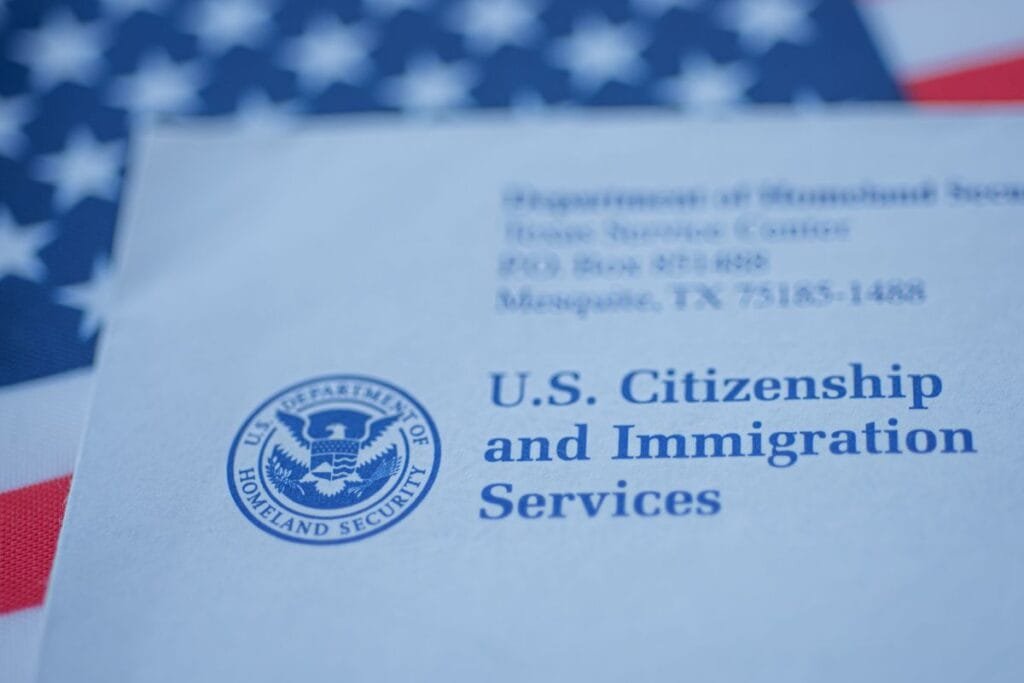
In a significant policy update, U.S. Citizenship and Immigration Services (USCIS) has announced that it is increasing the screening and vetting of foreign nationals seeking to work in the United States. This new policy, effective as of the announcement on December 4, 2025, aims to enhance national security by reducing the maximum validity periods for certain Employment Authorization Documents (EADs). At EPTX Lawyers, we are dedicated to keeping our clients informed about these important changes. Here’s a breakdown of what this new policy entails and how it may affect you.
What is the New USCIS Policy?
USCIS has updated its Policy Manual to shorten the maximum validity period for EADs for several categories of foreign nationals. This change will require more frequent vetting of individuals applying for work authorization in the U.S. According to USCIS, this will help deter fraud and identify individuals with potentially harmful intentions, allowing them to be processed for removal from the country.
USCIS Director Joseph Edlow stated, “Reducing the maximum validity period for employment authorization will ensure that those seeking to work in the United States do not threaten public safety or promote harmful anti-American ideologies.” This statement underscores the agency’s commitment to more rigorous and frequent security checks.
Key Changes to EAD Validity Periods
The updated policy introduces two main changes to EAD validity periods, affecting different categories of foreign nationals.
Reduction to 18-Month Maximum Validity
For several key categories, the maximum validity period for both initial and renewal EADs has been reduced from five years to 18 months. This change applies to applications for employment authorization that are pending or filed on or after December 5, 2025. The affected categories include:
- Aliens admitted as refugees
- Aliens granted asylum
- Aliens granted withholding of deportation or removal
- Aliens with pending applications for asylum or withholding of removal
- Aliens with pending applications for adjustment of status under INA 245
- Aliens with pending applications for suspension of deportation, cancellation of removal, or relief under the Nicaraguan Adjustment and Central American Relief Act
One-Year Maximum Validity Under H.R. 1
In addition, as required by the “One Big Beautiful Bill Act” (H.R. 1), which was signed into law on July 4, 2025, the validity period for initial and renewal EADs for other specific categories will be limited to one year, or the end of the authorized parole period or duration of Temporary Protected Status (TPS), whichever is shorter. These changes apply to any Form I-765, Application for Employment Authorization, that was pending or filed on or after July 22, 2025. The categories affected by this one-year maximum validity period include:
- Aliens paroled as refugees
- Aliens granted TPS
- Aliens granted parole
- Aliens with a pending TPS application
- Alien spouses of entrepreneur parolees
Why is USCIS Making These Changes?
The primary motivation behind these changes is to enhance national security and public safety. By conducting more frequent vetting of foreign nationals seeking employment in the U.S., USCIS aims to better identify and address potential threats. This move is part of a broader effort to ensure that individuals granted work authorization do not pose a risk to the country.
How Do These Changes Affect You?
If you fall into one of the categories mentioned above, you will need to renew your EAD more frequently. This means you will be subject to more regular background checks and security screenings. While these measures are intended to protect national security, they can also create challenges for applicants, including:
- Increased renewal frequency: You will need to be more diligent in tracking your EAD expiration date and applying for renewal in a timely manner.
- Potential for processing delays: With more frequent renewals, there is a greater chance of processing backlogs, which could lead to gaps in employment authorization.
- Greater scrutiny of your record: Each renewal application will trigger a new round of vetting, so it is more important than ever to ensure that your record is clean and your application is thoroughly and accurately prepared.
How EPTX Lawyers Can Help
Navigating the complexities of U.S. immigration law can be challenging, especially with frequent policy changes. At EPTX Lawyers, our experienced immigration attorneys can provide the expert guidance you need to successfully manage your EAD renewals and maintain your work authorization. We can help you:
- Understand how these new policies apply to your specific situation.
- Prepare and file your EAD renewal application accurately and on time.
- Address any issues that may arise during the vetting process.
- Stay informed about the latest changes in immigration law and policy.
Our team, including Texas Super Lawyer awardees Carlos A. Miranda and Carlos G. Maldonado, has a proven track record of success in handling a wide range of immigration matters. We are committed to providing personalized, effective legal representation to each of our clients.
Stay Ahead of the Curve
With USCIS increasing its screening and vetting procedures, it is more important than ever to be proactive and prepared. If you have any questions or concerns about how these changes to EAD validity periods may affect you, we encourage you to contact us for a consultation. At EPTX Lawyers, we are here to help you navigate the evolving landscape of U.S. immigration law and protect your ability to work in the United States.